Can You Add Insulation To An Older House?
Insulating an Older Home Doesn’t Have to Mean Tearing It Apart
In many cases, you can add insulation to an older home without major renovations or sacrificing its original character. The right approach depends on your home’s age, construction, and existing insulation. This guide covers your options for creating a more comfortable, efficient home.

Your Older Home May Be Telling You It Needs More Insulation
Older homes have plenty of charm, but they can also come with drafts, uneven temperatures, and rising energy bills. These everyday frustrations may point to insulation that’s missing, outdated, or no longer performing as it should, making your home harder to keep comfortable year-round.
Possible signs include:
Some Rooms Never Feel Comfortable
The temperature is never quite right. Hot upstairs bedrooms, cold first floors, and rooms that don’t match the thermostat are clear signs something is amiss.
You Feel Drafts Even With the Windows Closed
Consistent drafts may mean air is leaking through gaps in your home or that existing insulation is insufficient.
Your Heating and Cooling System Is Constantly Running
Your home may be losing heated or cooled air faster than expected, forcing your HVAC system to work harder to maintain comfort.
Your Energy Bills Keep Climbing
Poor insulation and air leakage can waste energy, making your heating and cooling system use more effort and increasing monthly utility costs.
Your Existing Insulation Is Old, Thin, or Missing
Many older homes were built before today's insulation expectations or were insulated inconsistently during later renovations.
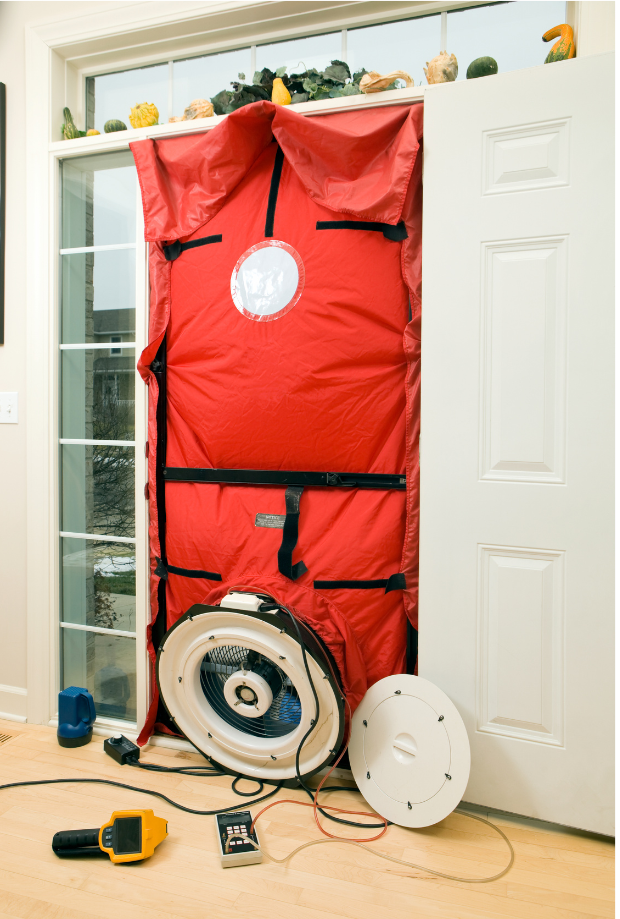
Not sure where your home is losing air?
Blower door testing can reveal leaks and problem areas before you decide where to add insulation.
Where Can You Add Insulation Without Gutting Your Home?
You may have more options than you think. Retrofit insulation can target the areas where your home needs it most, often without opening every finished wall or turning an insulation upgrade into a major renovation.
Attics
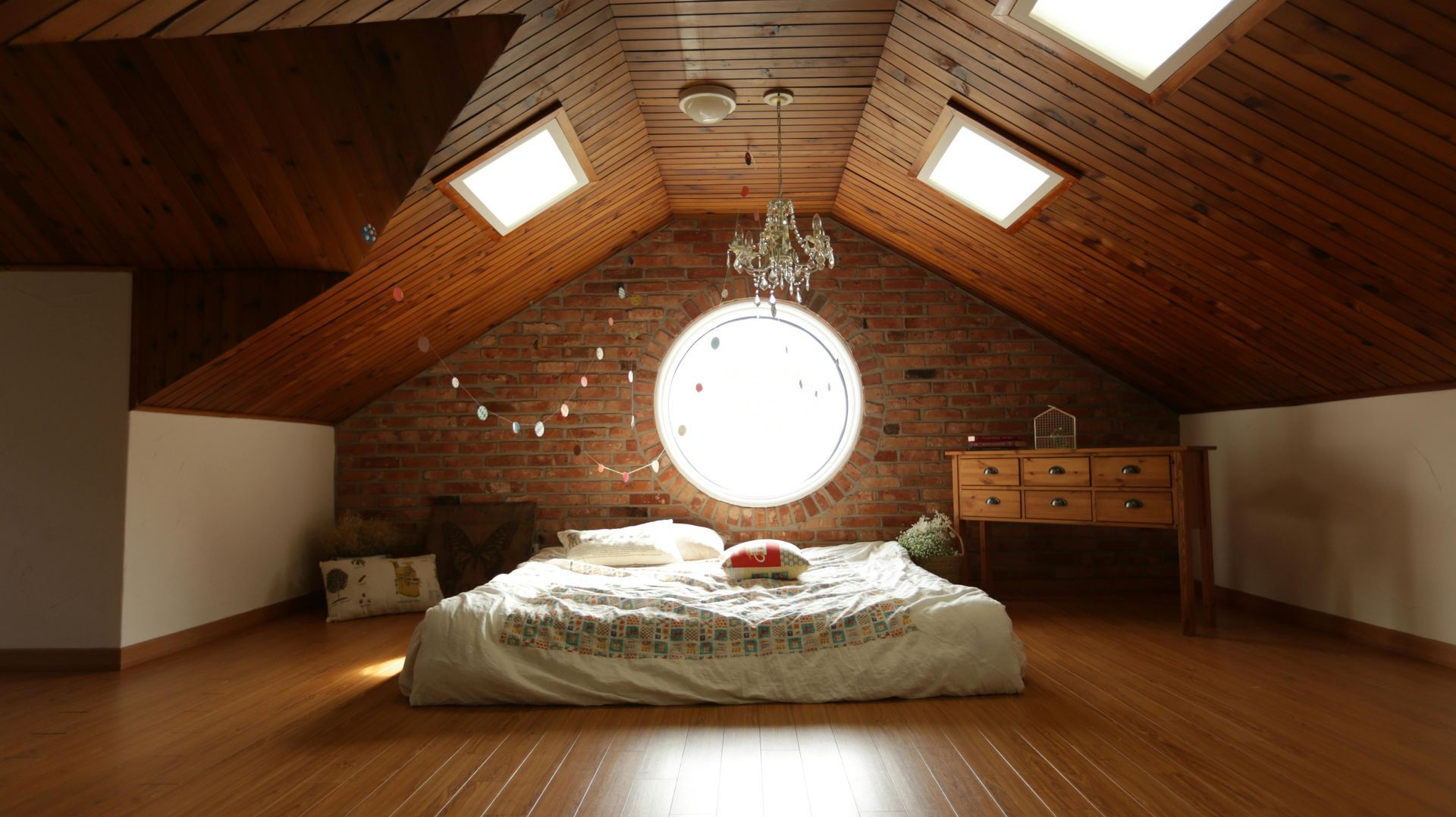
Attics are a smart place to start because outdated insulation can allow heat loss, creating uneven temperatures and wasting energy.
Existing Walls
You can often insulate walls in older homes through small access points, using blown-in insulation while preserving original plaster, drywall, and historic finishes.
Basements & Crawl Spaces
Insulating basements and crawl spaces creates a barrier beneath your living areas, keeping cold from creeping through floors and drafts from reaching rooms above.
Keep the Walls.
Add the Insulation.
You don’t always need to open up finished walls to add insulation. Small access points can reach empty or under-insulated cavities, boosting comfort while keeping your existing walls intact.
How Drill-and-Fill Insulation Works
- Small access points are created.
- The wall cavity is accessed.
- Insulation is installed throughout the cavity.
- Access points are closed.
This approach addresses what's happening inside the wall without necessarily rebuilding the wall itself.
The right material and installation method depend on how your walls are built. If you're considering foam, learn
whether you can add spray foam insulation to existing walls.
Which Insulation Works Best in an Older House?
The right choice depends on where it's being installed and what problem you're trying to solve.
Cellulose: A Practical Option for Existing Walls
Cellulose suits many retrofit projects because it conforms to framing and irregular spaces. When dense-packed into existing wall cavities, it adds insulation where it’s needed while letting homeowners preserve finished walls and original features.
Spray Foam: When Air Sealing Is the Priority
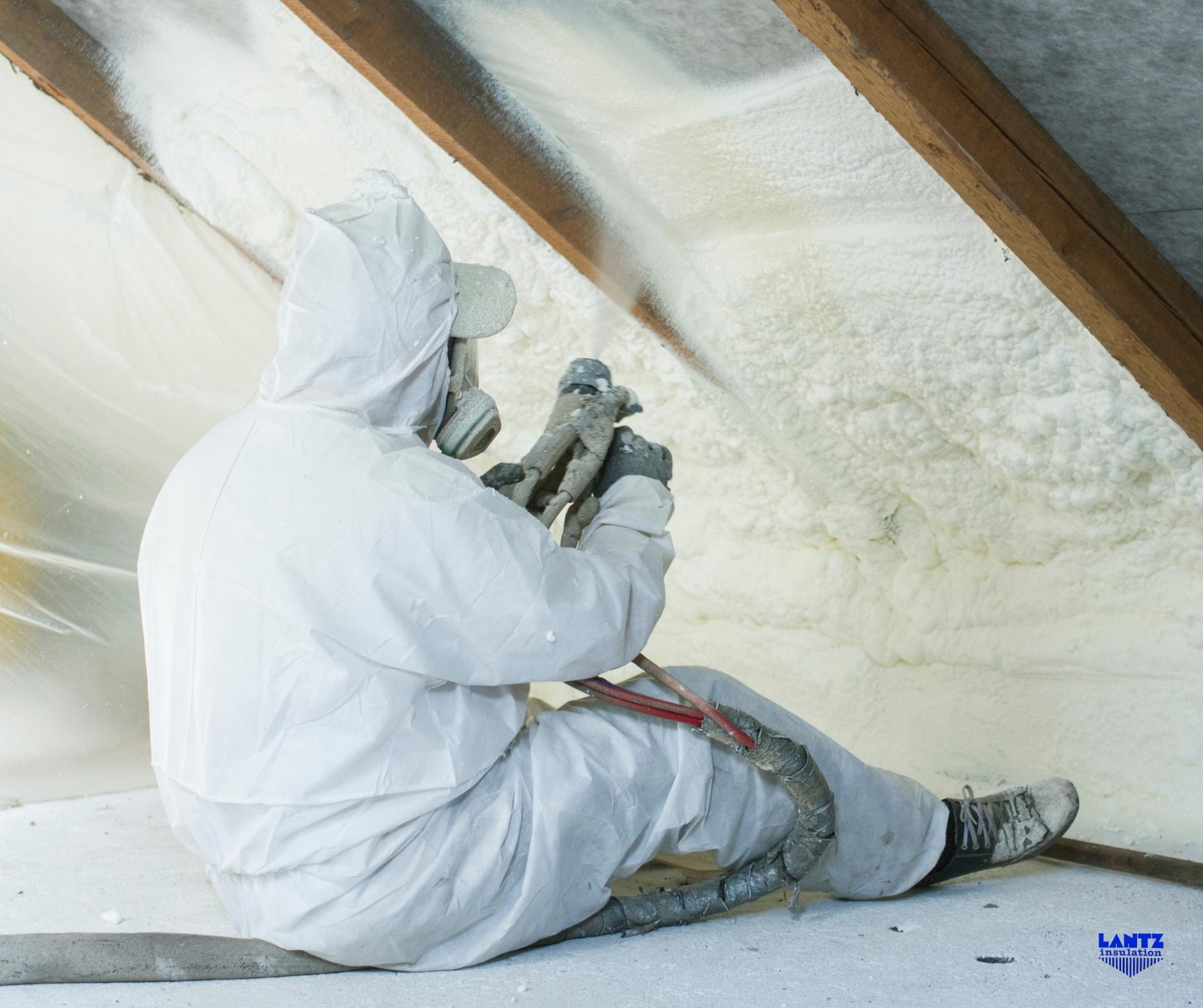
Spray foam can insulate while sealing unwanted air leaks, making it useful for certain attics, crawl spaces, and rim joists. It isn’t right for every older home, so existing construction should guide where you use it.
Your Older Home Wasn't Built Like a New One. Don't Insulate It Like One
Older homes can include plaster and lath, masonry, balloon framing, additions, and insulation installed at different times. Moisture and ventilation may also need consideration. Instead of forcing a modern system into place, start by understanding how your home was built.

What Happens When You Retrofit an Older Home With Insulation?
1. Understand What's Already There
Evaluate construction, existing insulation, problem areas, and homeowner concerns.
2. Find Where Comfort Is Being Lost
Determine whether walls, attic areas, air leakage, basement areas, or a combination are contributing.
3. Match the Solution to the Home
Choose insulation materials and installation methods based on the structure, not just its age.
4. Upgrade the Problem Areas
Install the recommended solution while limiting unnecessary disturbance to finished spaces and original features.
Is It Worth Adding Insulation to an Old House?
Many people find value in adding insulation to older homes because of several key benefits.
More Consistent Temperatures
Proper insulation keeps indoor temperatures more consistent, so fewer rooms feel noticeably hotter or colder than the rest of your home.
Fewer Drafts
Targeting air leaks keeps outside air from sneaking in and conditioned air from escaping, creating fewer drafts in your home.
Less Energy Waste
Better insulation keeps more of the heating and cooling you’re paying for inside, so your home uses energy more efficiently.
Greater Year-Round Comfort
The right insulation keeps your home more comfortable during cold Pennsylvania winters, hot summers, and changing temperatures year-round.
Preserve More of What You Love
Retrofit insulation can make your home more comfortable while preserving the original plaster, trim, and architectural details that give it unique flair.
Before You Add Insulation, Ask These 5 Questions
1. Where is my home specifically losing energy?
Walls aren’t always the biggest source of energy loss. Attics, basements, crawl spaces, and air leaks may be contributing more.
2. What's already inside my walls and attic?
Knowing what insulation is already in your walls and attic helps determine whether to add to it, replace it, or leave it alone.
3. How was my home constructed?
Age only tells part of the story. Your home’s framing, wall materials, additions, and past renovations can influence the right insulation approach.
4. Are there existing moisture or ventilation problems?
Identify existing moisture or ventilation issues first, so insulation upgrades don’t trap moisture or create new problems in your home.
5. Can the work be completed without disturbing original features?
Plan around original plaster, trim, and architectural details from the start so insulation upgrades preserve the character that makes your home unique.
You Don't Have to Choose Between Comfort and Character
You don’t have to tear apart your older home to make it more comfortable. Lantz can identify where insulation will make the biggest difference, creating more consistent temperatures, fewer drafts, and better efficiency while respecting your home’s existing construction.